



Article by: Kate Marie Getalla and Darlyn Lames
Photos by : Michael Sam Montecillo and Sebastian Rhode Maghinay
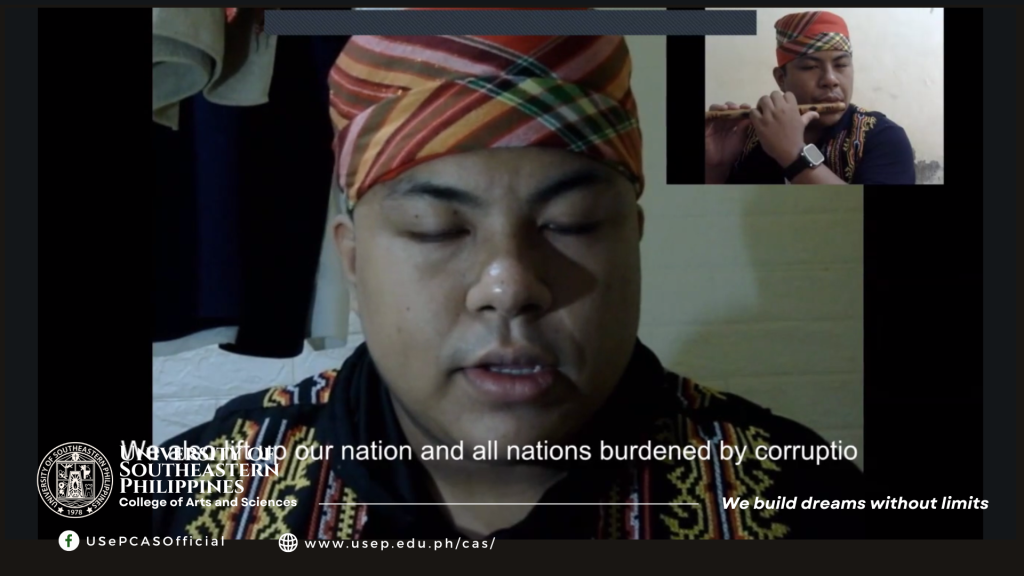
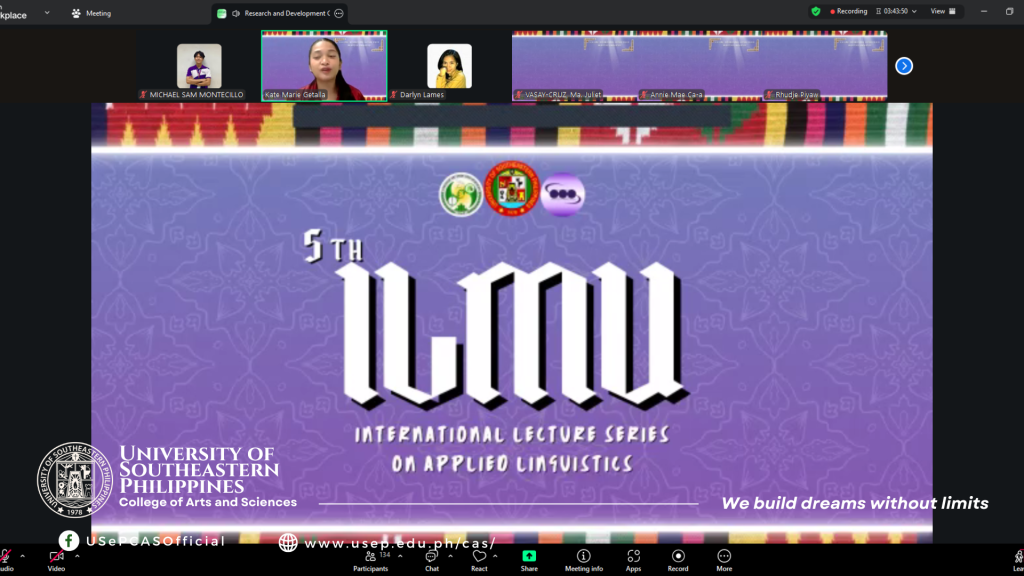
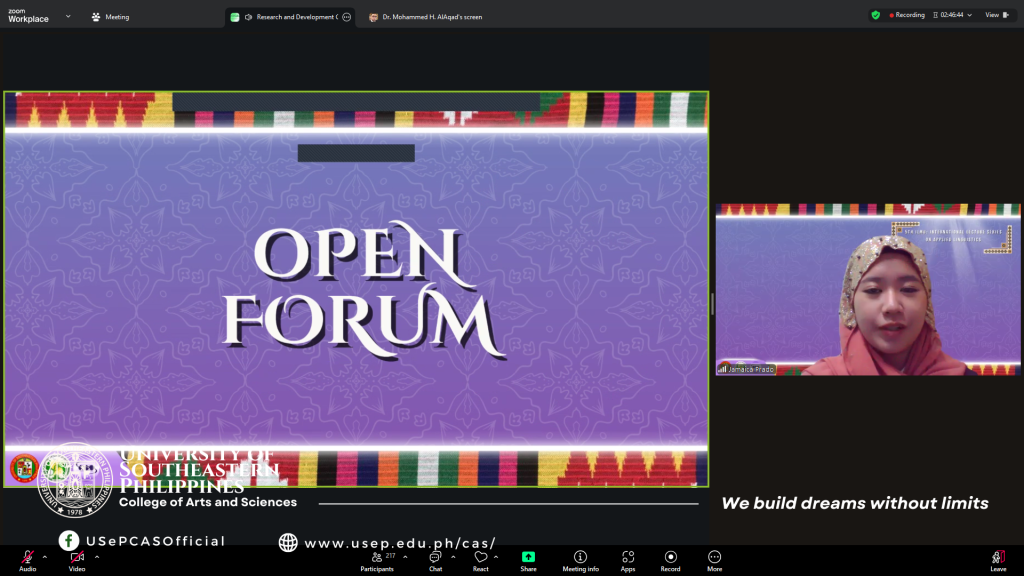
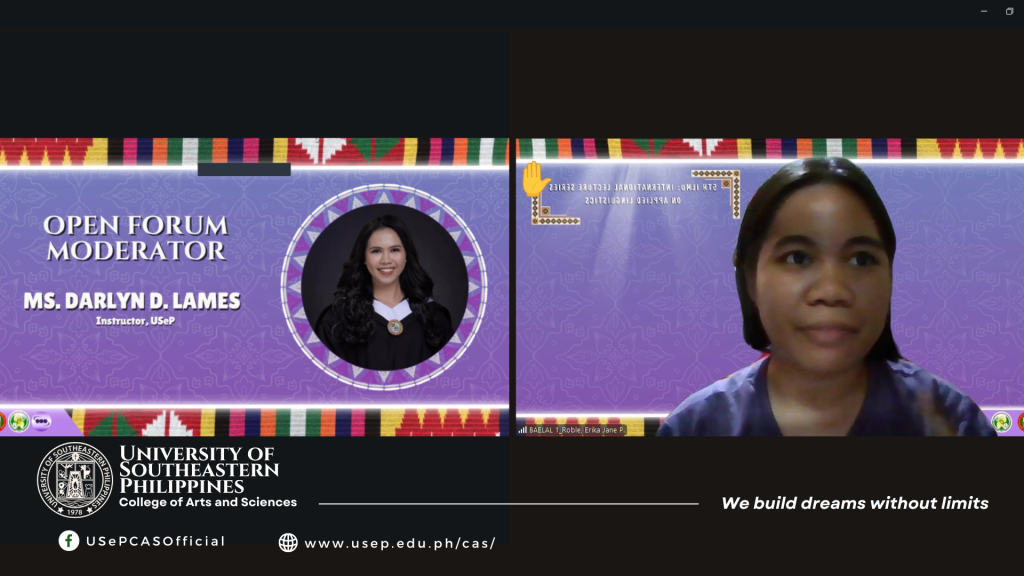
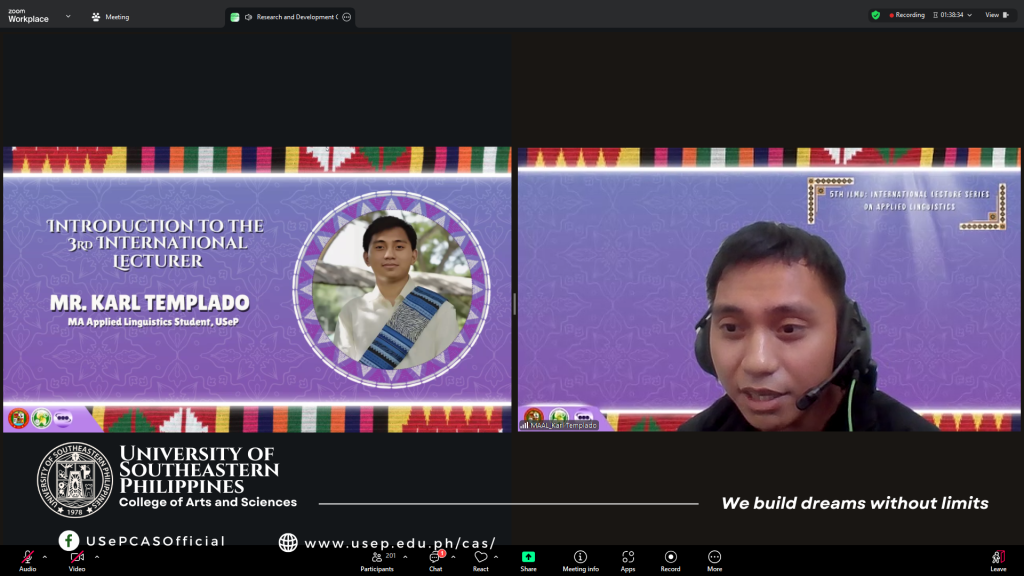
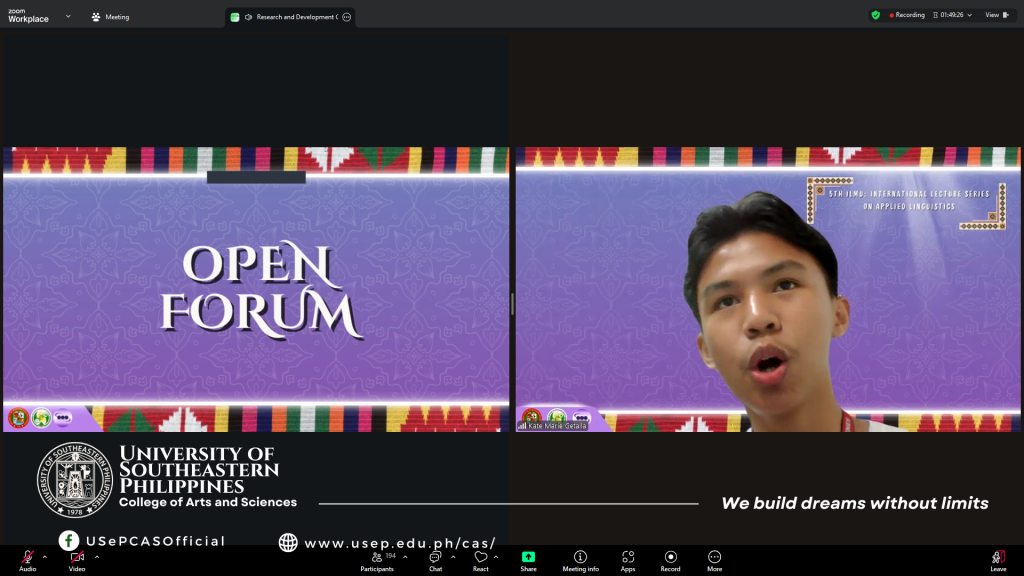
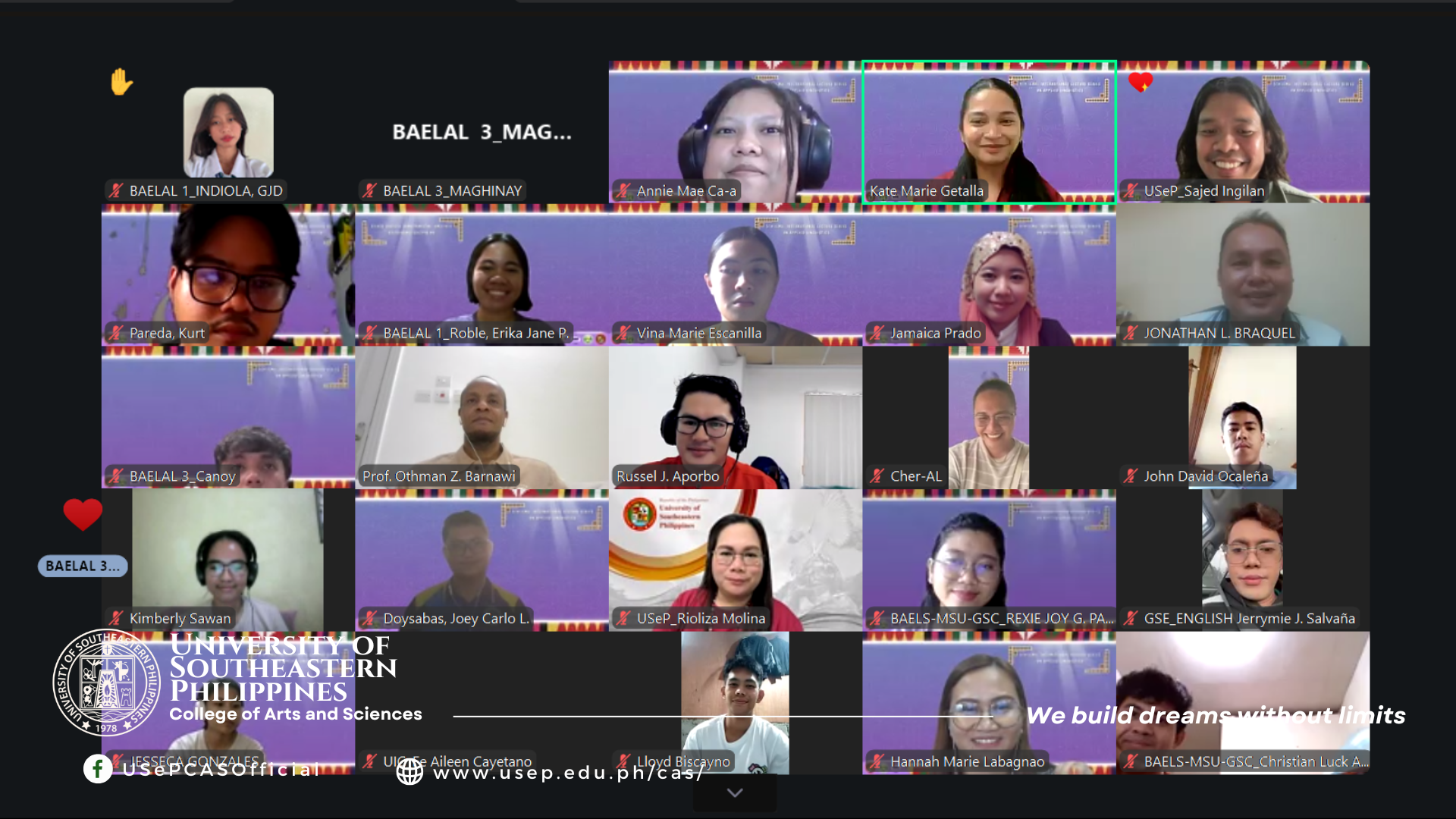
The 5th ILMU International Lecture Series on Applied Linguistics, hosted by the University of Southeastern Philippines (USeP) Language Department and the Language Students’ Society (LSS) of the College of Arts and Sciences (CAS), was successfully held on September 26, 2025.
Marking its fifth installment, the event became a milestone in its growing tradition of dialogue and collaboration. With scholars and participants joining from across the globe, it lived up to the meaning of its name—ILMU (knowledge)—demonstrating that knowledge, once shared, multiplies across borders.
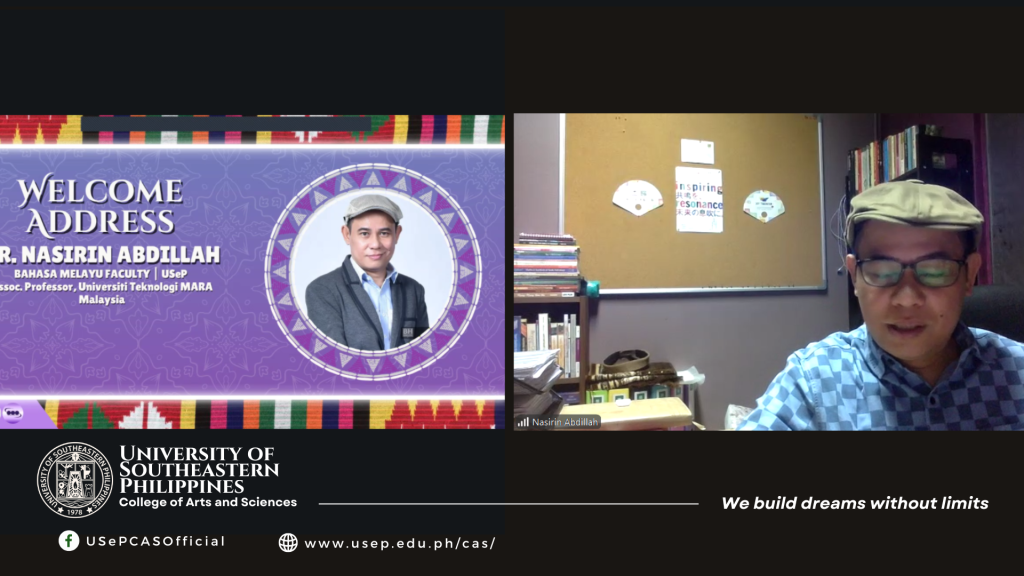
The preliminaries opened with words of inspiration that grounded the day’s conversations on the value of ILMU. Assoc. Prof. Nasirin Abdillah of Universiti Teknologi MARA, Malaysia, expressed gratitude for the opportunity to learn together, reminding everyone how “privileged” they were to hear from such respected lecturers. His message set a tone of humility and openness to wisdom.
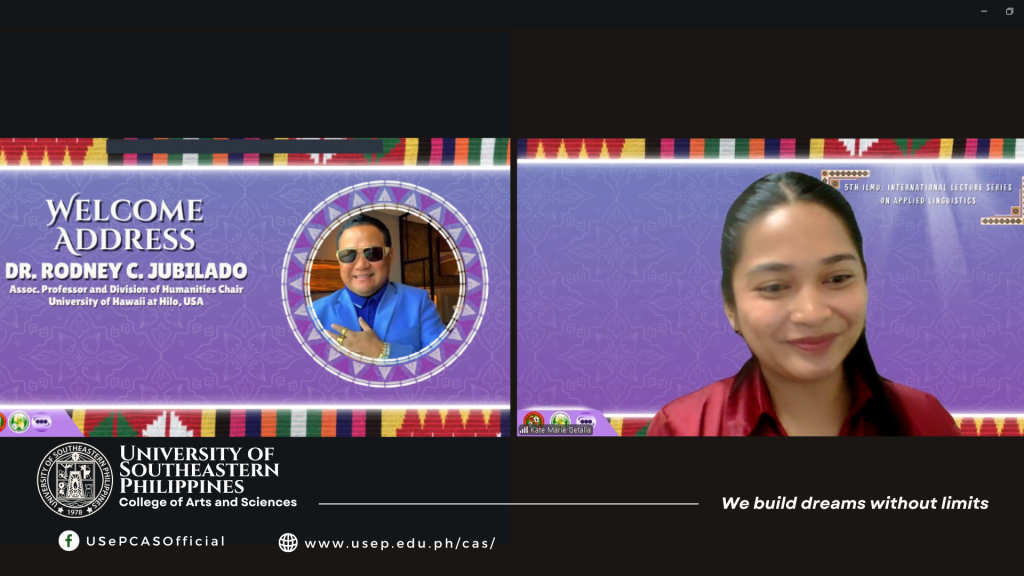
Assoc. Prof. Rodney C. Jubilado of the University of Hawai‘i at Hilo deepened the theme by reminding participants that “ILMU cannot exist without Iqra (Read), the first word revealed in the Quran.” This reflects the spirit of “Ilmu” (knowledge), “Puncha” (source), and “Kemajuan” (progress), or in English, knowledge is the source of progress. Knowledge begins with listening and participation, but it finds its fullest meaning when reading leads to wisdom and wisdom shapes action. His words anchored the gathering in both tradition and responsibility: knowledge begins with reading, but it must also move outward—to questioning, interpreting, and applying in the real world.
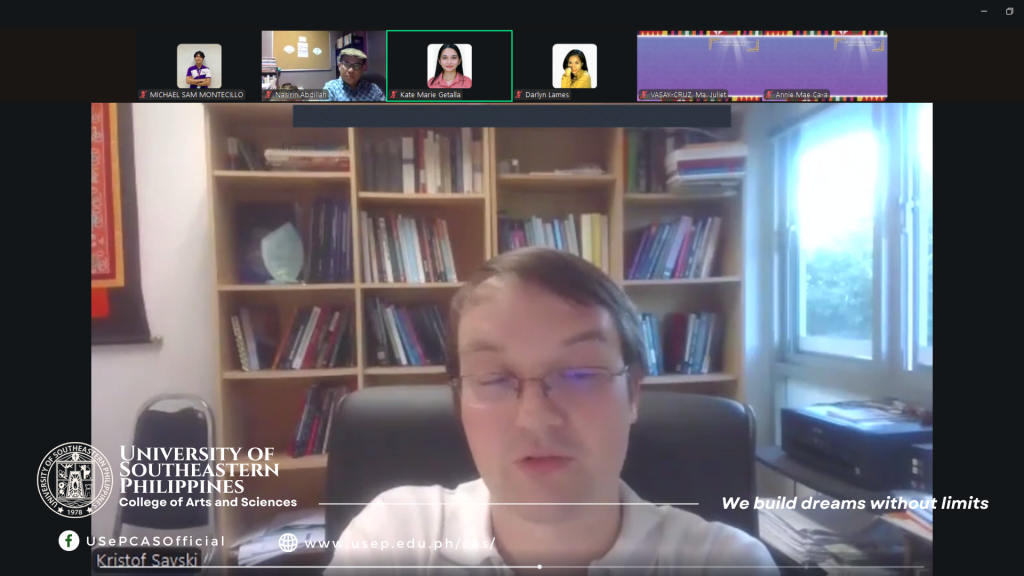
From tradition to participation, Assoc. Prof. Kristof Savski of Prince of Songkla University, Thailand, emphasized the importance of participation, encouraging everyone to find meaning in each lecture: “Everyone will get one thing, at least something, from these lecturers.” His reflection reminded participants that knowledge multiplies in dialogue, where even a single insight can transform perspectives and fuel further inquiry. He also praised the spirit of the event, affirming, “You are really showing us how to promote a positive scholarly environment.”
Together, these reflections framed ILMU as privilege, responsibility, and dialogue—already alive in gratitude, tradition, and the promise that each person would carry something valuable forward. The day’s centerpiece was a trio of lectures that pushed participants to confront difficult truths, reimagine classroom practices, and link theory to lived experience.
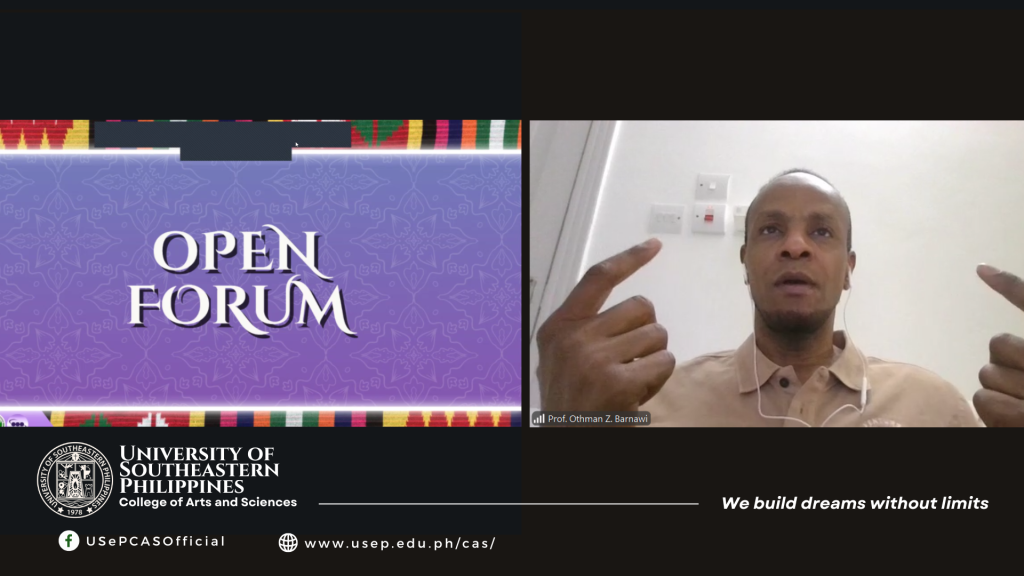
Prof. Othman Z. Barnawi of Yanbu Colleges and Institutes, Saudi Arabia, presented a powerful lecture on “Colonizability and Hermeneutical Injustice in Applied Linguistics Research.” His talk moved beyond diagnosing problems to exposing the structural inequalities that persist in global knowledge production. By interrogating how knowledge is created, legitimized, and circulated, Prof. Barnawi emphasized the unfinished and ongoing task of decolonization in the field of applied linguistics. “We look at all these efforts, we have one conclusion, decolonization is not possible yet, it still has a long way to go,” he remarked. His challenge was clear: if ILMU is to be liberating, it must be tied to justice, inclusivity, and resistance against entrenched hierarchies.
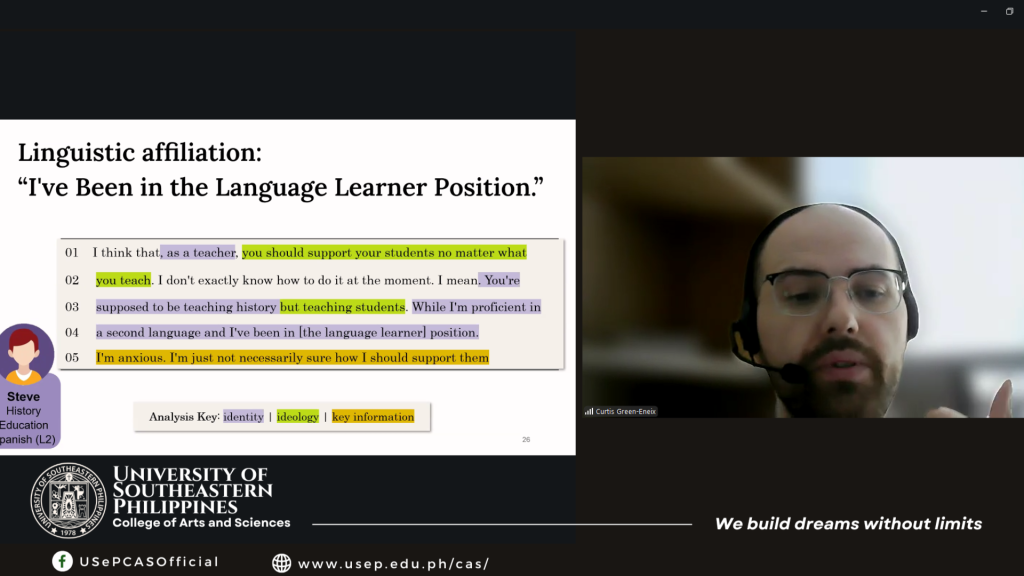
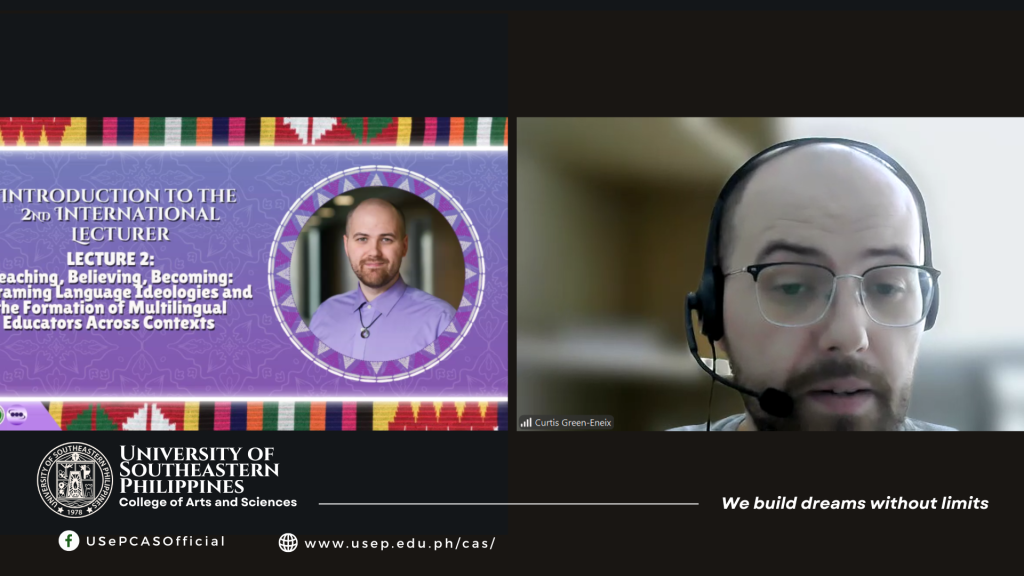
Following this, Asst. Prof. Curtis Green-Eneix of the University of Nottingham Ningbo, China, shed light on the role of educators’ beliefs in shaping learning in his lecture, “Teaching, Believing, Becoming: Reframing Language Ideologies and the Formation of Multilingual Educators Across Contexts.” He stressed that “language ideologies are active processes of interpretation and appropriation,” not abstract notions that exist only “in the head.” They are lived and enacted, shaping how teachers and students approach language in practice. “The teacher and facilitator help guide the students on how they can learn the language effectively through guided practice,” he explained, “but the students also need to take an active role as well.” His message resonated with Prof. Barnawi’s critique: just as global systems of knowledge production can perpetuate inequality, so too can everyday classroom practices reinforce—or challenge—narrow views of language and power.
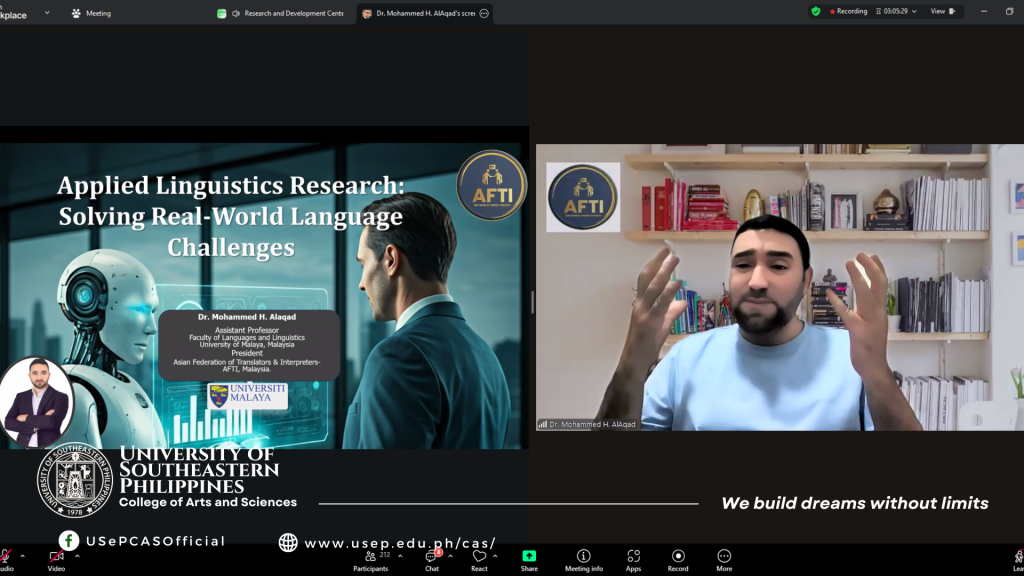
Dr. Mohammed H. Alaqad of the University of Malaya, Malaysia, grounded ILMU in real-world application through his lecture, “Applied Linguistics Research: Solving Real World Language Challenges.” He reminded the audience why language matters: “Because it is not an academic subject, it is a human lifeline. Without it, we won’t be able to move forward, we won’t be able to understand history.” His insights underscored that knowledge cannot flourish without language, for it is through language that societies remember their past, confront their present, and build their future. For Dr. Alaqad, language is not merely studied—it is lived. His call was a reminder that ILMU must ultimately reach beyond theory into the everyday struggles and futures of communities. Together, these lectures formed a coherent narrative: knowledge must be decolonized, reinterpreted, and ultimately applied. ILMU is not a passive possession but an active force—shaping structures, ideologies, and lives.
The lecture series also marked a milestone in academic collaboration: the acceptance of Prof. Othman Z. Barnawi as one of the advisers of the Southeastern Philippines Journal of Research and Development (SPJRD) upon the invitation of Editor-in-Chief Sajed S. Ingilan. “Our journal is a Scopus-indexed journal, a Quartile 2 journal. We need you in our team,” EIC Ingilan remarked, reinforcing the event’s global reach and academic impact.
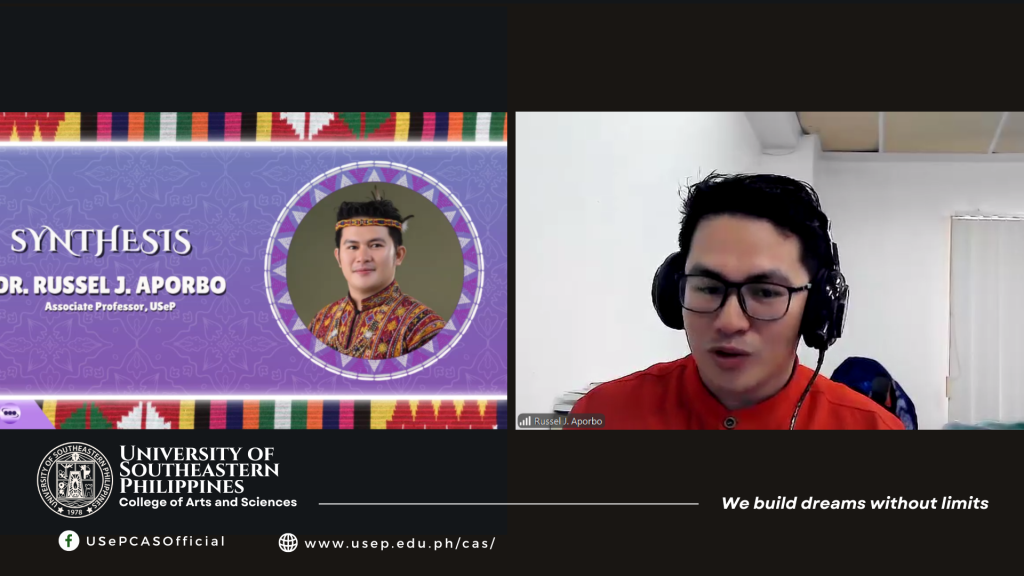
The synthesis by Assoc. Prof. Russel J. Aporbo of USeP tied the day together with a reminder of the Global South’s potential: “We can prove to the world that we Filipinos, we educators from the Global South, could offer something more, far beyond what is expected from us,” he affirmed. He further reflected, “The 5th ILMU proves that language is the DNA of human existence. It connects us human beings to other people and cultures,” grounding the intellectual exchange in a shared human truth: language is not just a subject of study but a living force that binds communities and advances understanding.
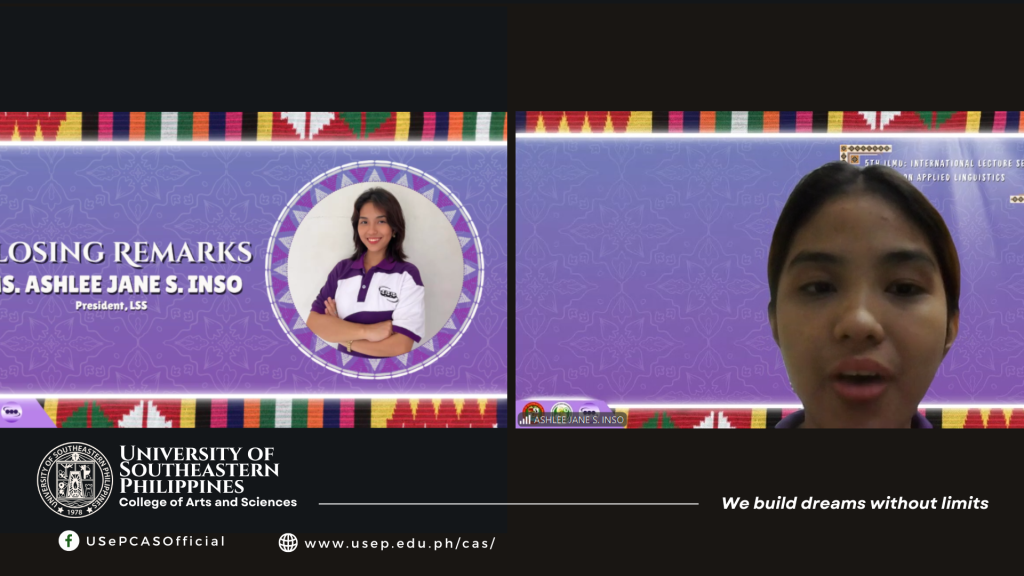
Closing the event, Ms. Ashlee Jane Inso, President of the Language Students’ Society, called on participants to keep the spirit of ILMU alive: “Let us cultivate and continue the deeper advancement of our knowledge.” Her words reminded all that ILMU must live on through every act of learning, teaching, and sharing. She also invited everyone to continue the dialogue on October 24, 2025, for the 6th ILMU International Lecture Series on Applied Linguistics, in coordination with USeP’s International Affairs Division. From gratitude to critique, from ideology to application, the 5th ILMU International Lecture Series embodied its essence—knowledge that challenges, heals, and connects. As participants reflected on the words of the speakers, the collective realization was clear: ILMU is more than a lecture series. It is a living tradition of seeking, questioning, and sharing. Read beyond borders, learn without limits, live the spirit of ILMU.